Most buyers meet a property for the first time on a five‑inch screen, moving at the pace of a thumb. The job is to turn that first flicker of interest into a scheduled showing, then an offer. In Houston, where neighborhoods change character block by block and light shifts from gulf haze to piercing sun in a single afternoon, that transformation requires more than a wide lens and a preset. It calls for a strategy that blends market insight, visual craft, and an efficient production pipeline. That is the core of how we approach every assignment at Luminis Media.
Houston realities that shape the shot
Before talking frames and focal lengths, it helps to ground the work in the local market. Houston inventory moves in cycles tied to energy, interest rates, and school calendars. The peak digital hunt happens on weekdays from late afternoon to evening, and on Sunday evenings after open houses. That tells you when your listing media goes live and how you pace the rollout across portals and social.
Architecture here is also wonderfully inconsistent. A 1930s bungalow in the Heights will ask for a different touch than a stucco new build in Katy or a glass‑heavy townhouse near Midtown. Some houses wear shade from mature trees that block the southern exposure you hope to use. Others sit on lots that flood with harsh overhead sun by 11 a.m. Balancing white walls with warm wood in a Memorial ranch is not the same as holding highlights in a high‑rise with floor‑to‑ceiling windows. The environment dictates timing, exposure strategy, and even the order of rooms we capture.
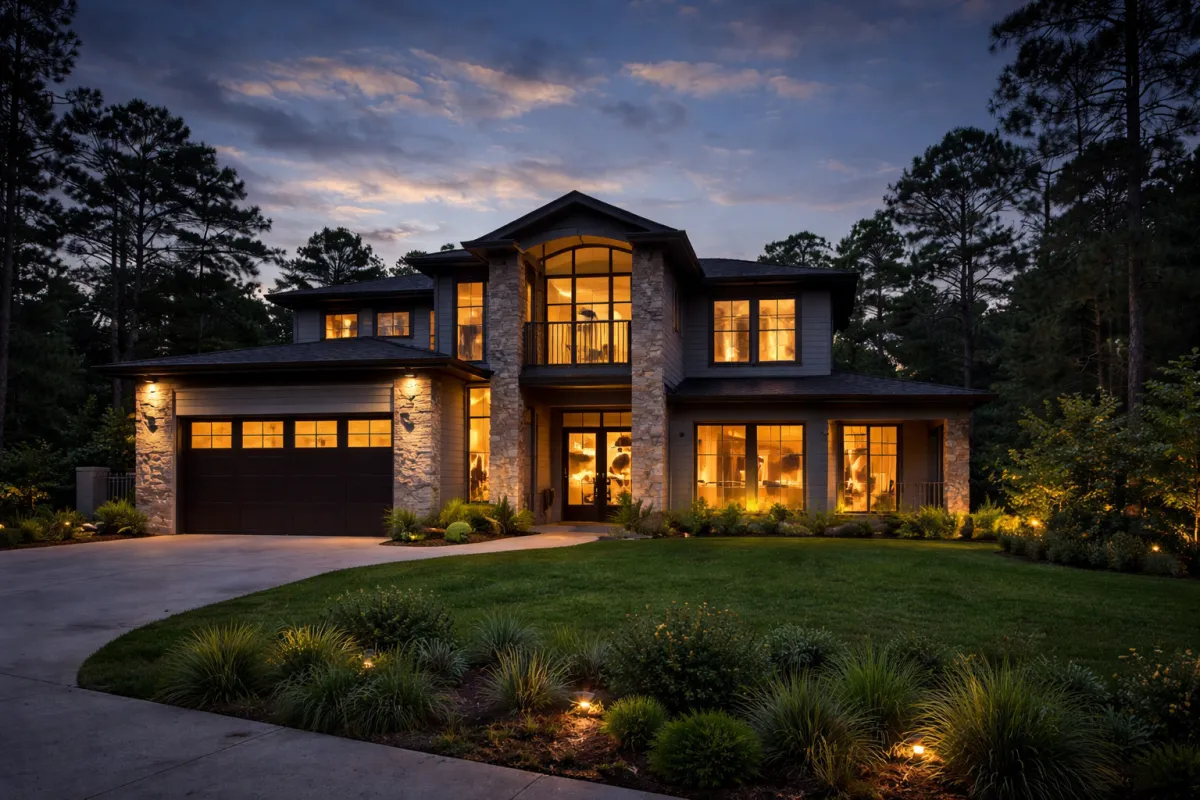
Traffic and heat are practical constraints too. If we schedule a midday shoot in August, we are fighting glare, wilted landscaping, and air conditioners that never cycle off. For exterior hero images, we build the day around the 30 to 45 minutes when the facade gets clean side light, and for many north‑facing homes that means either an early morning start or a late golden hour pass. Twilight sessions have particular pull in Houston because pools and outdoor kitchens photograph beautifully under ambient sky with staged practical lighting, but they require planning for power, safety, and mosquito season.
The path from scroll to showing
You do not need every angle of every corner. You need a narrative that clicks with how buyers search. People do a quick scan first, then dive if the opening sequence gives them a reason. We structure galleries the way a good showing flows.
The first three to five images establish identity. A front elevation with clean lines and open sky, a primary living area that proves the scale and ceiling height, a kitchen that tells the material story, then an outdoor frame that hints at lifestyle. After that, we fill in the plan, not a random walk. If the house is a townhome with a tight footprint, we emphasize continuity and storage solutions, showing how rooms connect and where light comes from. For a larger suburban home, we distill, picking representative bedrooms and a single bath shot that captures the finishes, saving attention for the media room, study, or those extras that stack value.
Luminis Media real estate photography is built on that story discipline. We shoot to edit, which means we decide on site what images will lead and which details serve the lead. This avoids bloated galleries that dilute impact and keeps buyers curious enough to book a visit.
Pre‑production that actually moves the needle
A tidy house reads as cared for, but for photos, tidy is not enough. We work with agents and owners the week before the shoot to stage for the camera, not for daily life. That might mean removing three quarters of countertop items, swapping a busy duvet for a calm white cover, or relocating a rug that throws moiré at certain shutter speeds. It also means practical fixes, like replacing mismatched bulbs and checking that smart switches remember their dim levels. A 20‑minute lighting tweak can save an hour of post.
Here is the short version of our prep, the one we send with booking confirmations and walk through again on arrival.
- Replace all bulbs with the same color temperature, ideally warm to neutral white, and turn on every practical light before we start. Clear counters, vanities, and refrigerator faces, leaving one or two intentional objects per surface for scale and life. Hide small rugs, ottomans, and pet items unless they belong to the design story. Open every blind to a consistent position, then adjust room by room to manage glare, not privacy. Park vehicles out of sight, coil hoses, and wet down driveways or pavers lightly if they photograph chalky.
That seems simple, but execution matters. We carry spare bulbs, neutral throws, and a small styling kit because even well prepared listings need last‑minute polish. When a builder asks for luminis.media listing photography on a tight turn, that kit has saved several shoots.
Light first, then lens
In Houston, sky conditions change quickly. On a day with thin haze, diffuse light lowers contrast indoors but makes skies milky outside. For interiors, we lean on natural light whenever possible, supplement with off‑camera flash when a room needs shape, and bracket only as a last resort. Flash gives control, but the goal is to preserve the feel of available light. A soft key bounced into a wall, placed just outside frame to mimic window direction, often does more than a complicated multi‑light setup. White balance stays consistent when we use fewer sources, and skin tones for lifestyle frames look better too.
When the windows dominate, we expose for interior first and let highlights roll gently. Pulling down exterior views to perfect visibility can make rooms look fake, and Houston buyers, many of whom preview skyscraper views daily on social, pick up on that immediately. We recover highlights where the view is the selling point, such as a downtown skyline or an oak canopy, otherwise we prioritize the interior.
On gear, sensors and glass matter, but choice follows space. Ultra‑wide lenses can mislead proportions in tract homes and make corners look stretched. For most rooms, we live between 16 and 24 millimeters on full frame, shifting slightly tighter if the room can support it. Kitchens with waterfall islands often sing at 20 millimeters, living rooms with tall ceilings at 16 to hold scale without bending lines. Tilt‑shift lenses help in high‑end projects where rectilinear control and compression elevate the look, but the best fix for converging lines is careful camera height and position. We keep interiors at about switch‑plate height to balance floor and ceiling weight, adjusting per room.
Composition, restraint, and the art of leaving out
Every home has a story, but not every detail tells it well online. We often cut shots the owner loves in person because they read as clutter in a feed. For example, a textured backsplash can be a hero in the kitchen on site, yet it can fight for attention with pendant lights and bar stools on camera. We prioritize clear planes, natural leading lines, and negative space that invites viewers to imagine their own furniture.
When we shoot a townhouse with a narrow living area, we might place the camera slightly off axis to lengthen perceived depth without lying about width. In a Pasadena ranch with low ceilings, we find diagonals that give lift and show window placement. Backyards with deep lots want depth cues, so we layer foreground elements like seating or a path edge, midground lawn, and the rear fence softened by a long focal length. Pools need careful polarization to reveal water without killing reflections that sell the mood.
Restraint also applies to image count. For most listings in the 1,800 to 3,500 square foot range, 25 to 35 photographs are plenty. More can work against you. We provide agents a full proof set, then help curate the MLS set tightly. The remaining images become social and brochure assets.
Post‑production that respects reality
We keep edits clean and consistent across the set. Color is neutral to slightly warm, blacks are present but not crushed, and windows breathe. We remove minor distractions, like outlet covers that pull the eye or a cord that snuck into frame. We do not fabricate features or alter physical traits. Houston buyers are savvy, and misrepresentation kills trust, not just for one listing but for the agent’s brand. The only sky replacements we green‑light are when the capture happened under flat, rainy conditions and the composition deserves a realistic sky that matches the light direction. Even then, we treat it as a retouch, not as a default.
Turnaround times matter. We build our schedule to deliver next‑day images for standard packages, same‑day rush when the calendar allows. Luminis Media real estate photos go through a two‑touch review, one by the editor who did the raw work and another by a producer who checks consistency across a client’s portfolio. That guardrail keeps a cohesive look for teams who list weekly.
Video that earns the click, then earns the visit
Real estate videography has changed from silent pans to editorial work that carries a mood. In Houston, where relocation buyers rely on screens, a well cut 60 to 90 second film is often the bridge between online interest and an in‑person tour. Luminis Media real estate videography focuses on pacing and story beats that match buyer attention patterns. We open with a wide exterior glide, move quickly to an interior hero shot with movement through a threshold, then alternate breath and momentum: a slow push in on the kitchen island, a snap cut to the view down the hall, a steady roll past the fireplace as the flames pull the eye.
Audio choices matter. For most listings, we use licensed tracks that fit the neighborhood’s vibe. A Montrose modern reads well with understated electronic, a Spring family home with light acoustic, a River Oaks estate with classical or piano. Narration is powerful for complex properties, but it must be concise and credible. Overlong agent voiceovers can feel like ads and get skipped. We often recommend short text overlays for key data points instead, like lot size, school zone, or a unique material callout.
Stabilization, gimbal work, and careful exposure are givens. What separates a strong luminis.media real estate videography piece is intention. We scout the camera path before rolling, so transitions make spatial sense, and we watch reflections in glass to avoid gimbal reveals. For exteriors, we fly drones within FAA guidelines and with neighborhood sensitivity. We plan flight paths that reveal context, like proximity to parks, bayous, or nightlife, without creating a surveillance feel.
Floor plans, virtual tours, and when to use them
Not every home benefits equally from extras. Floor plans are almost always worth it for townhomes and older bungalows where layouts are not obvious. A clean 2D plan with room dimensions reduces surprises on showings. 3D tours and interactive walk‑throughs shine for relocation buyers and new construction. They can also hurt when a house is small or closets and mechanical rooms dominate the capture. We advise case by case. The goal is to create curiosity, not exhaustion.
Picturing lifestyle without stretching the truth
Staged lifestyle frames help buyers imagine mornings and weekends. In Houston, that might be a coffee setup on a balcony with a distant skyline, pool lights at twilight with a grill warming in the background, or a reading chair under a window with filtered oak shade. These touches should feel effortless. Two or three lifestyle vignettes in a set are enough. Overdo it and the house feels like a catalog.
Pets, by the way, are tricky. A cat in frame gets attention but splits opinion. We tend to keep animals out of photos unless the home is a farm or acreage where horses or a chicken coop are part of the value proposition. Similarly, holiday decor dates a listing and ages poorly online. Neutral always travels better.
Agent collaboration and on‑site rhythm
Great images come from preparation, but also from a calm, predictable rhythm on site. We map the shoot order with the agent, starting with rooms that will change light soonest. If housekeeping is finishing upstairs, we begin with exteriors and lower level. We ask sellers to leave for the duration, when possible, to reduce disruptions and protect privacy. When owners must be present, we set a station for them where they can remain out of sight lines.
Agents who partner with us on four or more listings a month get a shared style guide. That includes preferred color temperature, the typical number of hero kitchen angles, whether they like portrait shots sprinkled within landscape sets for social, and how they prefer white ceilings to render. That consistency becomes a recognizable brand. When buyers see a familiar look on a new listing, they click faster. The Luminis Media real estate photographer assigned to that team knows the playbook and the quirks of the neighborhoods they serve.
Pricing, packages, and the trade‑offs that matter
Budgets are real. Throwing check here every service at every listing is not smart. We tier our recommendations. For entry to midrange homes, strong stills, a concise video, and a floor plan usually out‑perform a sprawling 3D tour. For higher price points or architecturally distinct properties, add twilight stills and a longer editorial video that breathes at two minutes with drone context. Builders and investors often book recurring packages with progress photos, pre‑completion marketing assets, and a final media set timed to MLS and a launch event.
A frequent question is whether to rush a listing out with cell phone images while waiting on media. Our answer is no. First impression equity is real. Listings that launch with professional Luminis Media property photography and video build momentum. If timing is tight, we can stage a rapid exterior hero and one interior teaser within 24 hours, then add the full set. But we avoid posting placeholders that peg the property as an afterthought.
Measuring what works and iterating
You can feel when a set works, but you should also look at numbers. We track click‑through rates from social to the listing page, average time spent in the gallery before a bounce, and the ratio of saves to views on platforms that expose that data. We do not pretend those numbers tell the entire story, especially when pricing strategy or seasonality weigh more heavily. Still, patterns emerge. Sets that open with two hero images that feel similar, like front elevation followed by another front angle, underperform. Galleries with clean progression and a break in rhythm near the middle, such as a portrait of a design detail, hold attention longer. Videos that cross the two minute mark need a strong hook at the one minute point or fall off.
Agents who share showing feedback give us the best insights. If buyers consistently mention a room feels smaller than photographed, we tighten focal lengths next time and choose angles that calibrate expectations. If a pool looks too blue on site compared to the listing, we adjust our color pipeline. That loop makes the next luminis.media real estate photography session smarter.
Common pitfalls we avoid
Some mistakes show up again and again in the market. Mixed‑temperature lighting makes rooms feel chaotic. Over‑processed HDR, with glowing halos and gray windows, breaks trust. Excessive vertical tilt stretches rooms into odd proportions. Too many detail shots crowd out the spatial story. And slow turnarounds kill momentum on listings that need to hit right after a price improvement. Our process is designed to sidestep each of these. When a home has deep color casts from stained wood or bold paint, we test a frame, adjust white balance and flash fill, and commit before we run the room. When high glass gloss fights with reflections, we decide whether to flag light sources, shift angles, or accept the reflection as part of the scene rather than blur it in post.
A few projects that taught useful lessons
A Heights bungalow, 1,600 square feet with a new back deck, had been sitting for three weeks with average photos. We reshot with a morning start to capture dappled shade on the front porch, cut the gallery to 24 images, and added a 70 second video showing the deck at twilight with string lights. The agent reported increased saves and four showings in the first 48 hours, which led to two offers. The key was not magic, just aligning the media to the property’s true selling points and pacing the story.
A West University new build with large format porcelain floors struggled because reflections made the living room feel cold. On site we used a large soft bounce to add pleasing specular highlights that hinted at gloss without creating mirror‑like glare, and we stopped the lens down to hold lines. We maintained a warmer white balance throughout the set, which matched the builder’s intent. The result photographed modern without sliding into sterile.
An Energy Corridor townhome near a busy road needed context without noise. We shot exteriors during a lull, used drone altitude to compress the streetscape into greenery and skyline, then cut any frame that hinted at traffic. Inside, we emphasized the double‑pane windows by shooting with practical lamps on and blinds half‑open, showing both light and privacy. The agent asked for narration, but we advised text overlays to avoid audio inconsistency across platforms. The piece led to high engagement on reels and a quick lease‑up.
Why a coherent system beats a bag of tricks
Real estate photographer Luminis Media teams do not rely on a signature gimmick. We rely on process layered with taste. The process handles basics and pace under pressure. Taste keeps choices human, like choosing not to show a small secondary bath if it adds nothing but another tile pattern. When teams call us for Luminis Media listing photography or Luminis Media real estate videography, they are not only buying images, they are buying a listing launch system that stretches from pre‑shoot prep to social crop delivery and MLS compliance.
We also think about longevity. Properties relist, change agents, or get rented after a sale falls through. We archive raws and finals with clear naming conventions that mirror MLS data, so pulling a refreshed set months later takes minutes, not hours. We deliver crops tuned for common channels, including portrait social frames, horizontal website banners, and MLS safe images that meet size and watermark rules. That foresight saves marketing teams time on every listing.
Making SEO fit the real world without turning prose into a robot
Yes, we pay attention to how people find services. Clients search for Luminis Media real estate photography or even type luminis.media real estate photos when they need help fast. That language lives naturally in our conversation because it is how clients talk on the phone. The same goes for Luminis Media property photography when investors need consistent media across a portfolio, or when a builder asks for real estate photography luminis.media because they saved a prior invoice and type it exactly. We keep that phrasing in mind, but it never dictates the work. Search brings people to the door, the images open it.
A compact launch checklist for agents
When everything clicks, a listing feels inevitable. But that feeling is built. Here is a compact checklist we use with top‑producing teams to keep pressure low and outcomes strong.
- Book media early, share access details, and send your priorities for the story so we plan the sequence. Stage for the camera, not for living, and schedule any lawn care or pool service the day before. Choose your MLS lead image before delivery by discussing the property’s hook with your photographer. Coordinate the media drop with your copy and pricing strategy, then launch across MLS and social within the same 12‑hour window. Track engagement and showing feedback, and tell your media team what landed and what missed for iteration.
Where we go from here
Houston keeps changing, and so do buyer expectations. Phones got better, but they did not turn everyone into a visual strategist. The difference between a scroll and a showing still hinges on a handful of disciplined choices made before, during, and after the shoot. Luminis Media real estate photography is not a promise of perfection, it is a promise of care applied at each step. We look at light first, then lens. We plan a sequence that earns the second swipe, then the click. We edit to respect reality, not reinvent it. And we deliver fast enough for agents to ride the wave they worked hard to create.
If you need a team that treats your listing like a launch, not a chore, reach out. Whether you search for real estate photographer luminis.media on a late night before a big week, or message us after a referral mentions Luminis Media real estate photos, the result is the same. We show up with a plan, we adapt to the house in front of us, and we aim every frame at the only metric that matters in the end, a buyer who books the showing and walks through the door already believing they could live there.